
Introduction
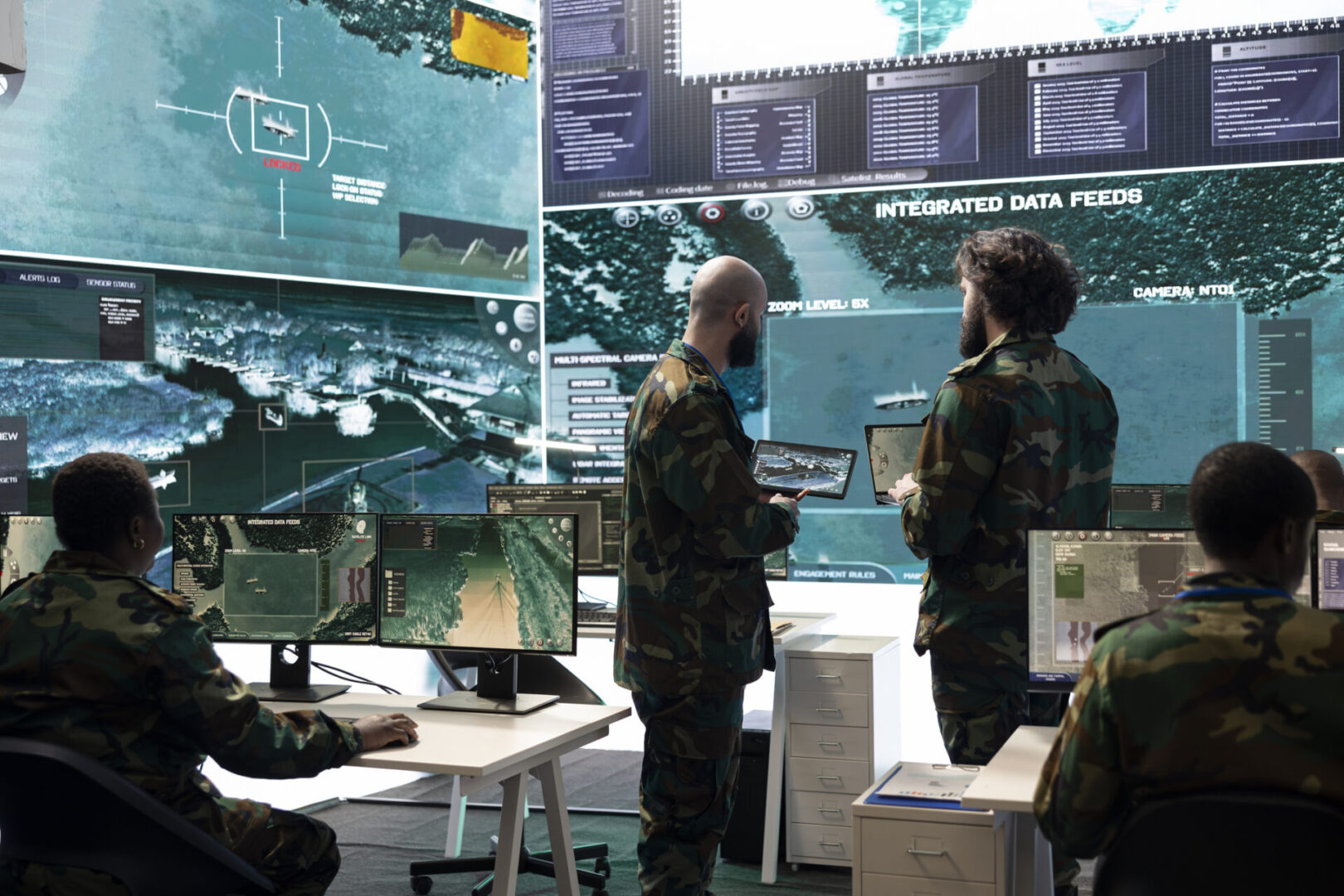
In a world marked by rapid change and uncertainty, civil-military collaboration has become essential for effective crisis response and mission success. AI-enabled dashboards are transforming the landscape by integrating diverse data sources, accelerating decision-making, and delivering measurable impact. These tools enable military, civilian, and humanitarian teams to work together seamlessly, ensuring operational efficiency and strategic alignment.
Bridging the Data Divide for Unified Action
For years, operational planners faced fragmented information streams—ranging from spreadsheets to scattered reports—resulting in duplicated efforts and delayed relief. AI-enabled dashboards now eliminate these silos by aggregating structured and unstructured data from logistics, social media, satellite imagery, and partner databases, creating a unified, intuitive view for all stakeholders.
The Kairos Group integrates these varied data streams into custom dashboards that update in seconds, ensuring both military and civilian personnel access the same real-time intelligence, whether at a forward base or headquarters. This unified approach leads to fewer missed supply windows, quicker route approvals for NGOs, and earlier identification of local influencers who can help stabilize regions.
Typical challenges include outdated data driving current plans, conflicting reporting standards complicating multi-agency briefs, and costly shadow systems built independently by different organizations. Effective strategies to break data silos involve mapping key decisions to specific data sources, establishing cross-domain access, and piloting analytics projects before scaling. The Kairos Group’s blend of AI-enabled dashboards and strategic consulting helps refine workflows in real time.
Accelerating Decision Making at the Speed of Relevance
In dynamic environments, waiting for consolidated reports is not feasible. AI-enabled dashboards expedite the observe-orient-decide-act loop, delivering predictive alerts and trend analysis as events unfold. Rather than relying on delayed updates, mission planners can proactively allocate resources or reroute convoys using real-time forecasts.
The Kairos Group employs trust index models to assess source reliability, enabling leaders to filter noise and make confident decisions. Advisory teams collaborate with staff to design playbooks that translate alerts into automatic tasking orders, ensuring decisions keep pace with evolving events.
Common issues include fuel and flight-hour overruns from late changes, delays in humanitarian aid with political consequences, and loss of coalition confidence when partners fall behind. Data-driven decision-making begins by cataloging recurring choices and integrating them into dashboard alert thresholds, paired with synchronization calls to validate insights. Leveraging real-time intelligence and composite AI, organizations shift from reactive to proactive, enhancing operational efficiency and allowing leaders to focus on strategy.
Enhancing Trust, Transparency, and Interoperability
Trust anchors successful multinational operations, but misaligned data or conflicting reports can erode partnerships. AI-enabled dashboards provide a common operating picture, reducing information gaps and supporting shared understanding across organizations.
The Kairos Group embeds transparency at every level: audit trails record all changes, data provenance tags track origins, and permissions align with legal frameworks. This builds confidence among special operators, diplomats, and field teams, reinforcing effective collaboration.
Obstacles like unclear data origins leading to credibility issues, miscommunication from incompatible platforms, and interoperability failures can disrupt joint missions. Integrated security solutions, including blockchain-backed sensor verification, confidence scores, and neutral-site sandbox testing, ensure interoperability before deployment. When all partners trust the same data, collaboration becomes more effective and scalable.
Empowering Mission Success Through Customization and Training
Every mission has unique requirements. Special Operations Forces may need detailed threat heat maps, while disaster-response NGOs require road and water access data. Generic solutions often fall short.
The Kairos Group’s AI-enabled dashboards are modular, allowing users to toggle social media sentiment, add weather overlays, or include gender analysis indicators. Tailored training ensures all users—from intelligence analysts to health liaisons—can customize views without IT support.
Key practices include demanding role-based interfaces, testing offline functionality for field environments, and negotiating for regular capability updates. Professional development workshops help teams integrate new workflows, ensuring technology aligns with human factors and mission objectives.
Driving Strategic Advantage With Measurable Impact
External scrutiny from donors and oversight boards demands clear evidence of results. AI-enabled dashboards convert vast data into actionable analytics, highlighting progress, gaps, and return on investment.
The Kairos Group’s monitoring and evaluation dashboards visualize key indicators alongside expenditures, making it easy to correlate funding with outcomes. Trust index models reveal partnership strengths and areas for adjustment. Policymakers receive insights for strategic planning, while field teams benefit from actionable feedback.
Best practices include building baselines before interventions, scheduling quarterly impact reviews using dashboard exports, and incorporating lessons learned into planning modules. Organizations seeking leadership in integrated security solutions often choose The Kairos Group’s advisory retainer, pairing analytics with subject-matter experts for continuous improvement.
Craft, Authenticity, and Selection Set Our Solutions Apart
A human-centered, mission-driven design philosophy ensures interfaces are co-created with end users, reducing training time and cognitive load in high-stress settings. The Kairos Group’s technology stack features composite AI engines, open-API architecture, and blockchain verification, safeguarding investments and enabling compatibility with allied systems.
Custom-fit module libraries address needs from SOF intelligence to humanitarian logistics and gender analysis, allowing one dashboard to adapt across campaigns and reduce license sprawl. A robust support model provides 24/7 access and quarterly on-site optimization, ensuring peak operational efficiency as missions evolve. Transparency is maintained with embedded audit trails and ethical AI guardrails, reinforcing trust with partners, donors, and host nations.
Start with a discovery workshop to map decision processes, request a sandbox demo with anonymized data, and select modules as needed, scaling licenses as usage grows for maximum confidence.
Charting a New Course for Collaborative Success
Integrated, AI-driven tools have evolved from optional to essential. By unifying data, expediting decisions, building trust, enabling customized training, and delivering measurable results, AI-enabled dashboards from The Kairos Group set a new standard for civil-military collaboration. Special Operations Forces, humanitarian organizations, and policymakers can now pursue operational excellence through a proven, adaptive pathway.
Building the Future of Collaboration
AI-enabled dashboards are redefining civil-military collaboration by eliminating data silos, accelerating decision-making, and fostering transparency. The Kairos Group’s tailored solutions empower mission success and measurable impact for every stakeholder. Take the next step with us and unlock your organization’s full potential.
References
Increased Adoption of Generative AI
Rise of Composite AI
Global Information Security Spending
Automation in Network Activities
AI Leadership Structures
AI-First Strategy Adoption